Big Tech Is Cutting 20,000 Jobs to Pay for AI
In a single week, Meta and Microsoft announced plans to shed roughly 17,000 workers. They joined Amazon, Oracle, Dell, and Snap in a 2026 layoff wave that has already passed 100,000 — with nearly half the cuts explicitly attributed to AI.
In the span of a single week in April 2026, two of the world’s largest technology companies announced plans to shed a combined 17,000 workers. Meta will lay off 8,000 employees starting May 20. Microsoft, on the same day, revealed the first voluntary retirement program in its 51-year history, targeting roughly 8,750 U.S. workers. They are not alone. Amazon, Oracle, Dell, and Snap have all made deep cuts this year, pushing total tech layoffs past 100,000 in less than four months.
The biggest cuts of 2026
Amazon set the tone in January, eliminating 16,000 corporate roles across AWS, retail operations, Prime Video, and HR. Those cuts came on top of 14,000 positions removed in October 2025, bringing Amazon’s total to 30,000 — the largest workforce reduction in the company’s history.
Dell’s headcount dropped by 11,000 during fiscal year 2026, falling to approximately 97,000 from 108,000. It was the third consecutive year of 10% declines. Since fiscal 2023, Dell has shed 27% of its workforce. The company spent $569 million on severance alone.
Oracle blindsided employees on April 1, when thousands received termination emails at 6 AM with no prior warning. At least 10,000 workers were cut, with estimates suggesting the total could reach 30,000. The restructuring is backed by a $2.1 billion plan disclosed in a March SEC filing, and TD Cowen estimates the cuts will free $8–10 billion in annual cash flow.
Meta: efficiency by subtraction
Meta’s 8,000 layoffs represent 10% of its 78,865-person workforce. But the full picture is worse: the company also canceled 6,000 open roles and cut 700 Reality Labs positions earlier in April. That’s 14,700 positions eliminated or frozen in a single month.
CEO Mark Zuckerberg framed the move on the company’s January earnings call: “Projects that used to require big teams can now be accomplished by a single very talented person.” Affected U.S. employees will receive 16 weeks of base pay plus two weeks for every year of service. More cuts are planned for the second half of 2026.
Microsoft: a historic first
Microsoft’s voluntary retirement offer is unprecedented. In 51 years, the company has never done this. Eligible employees must be at senior director level or below, with their age plus years of service totaling at least 70. Around 8,750 workers qualify — 7% of the U.S. workforce. They will receive full details on May 7.
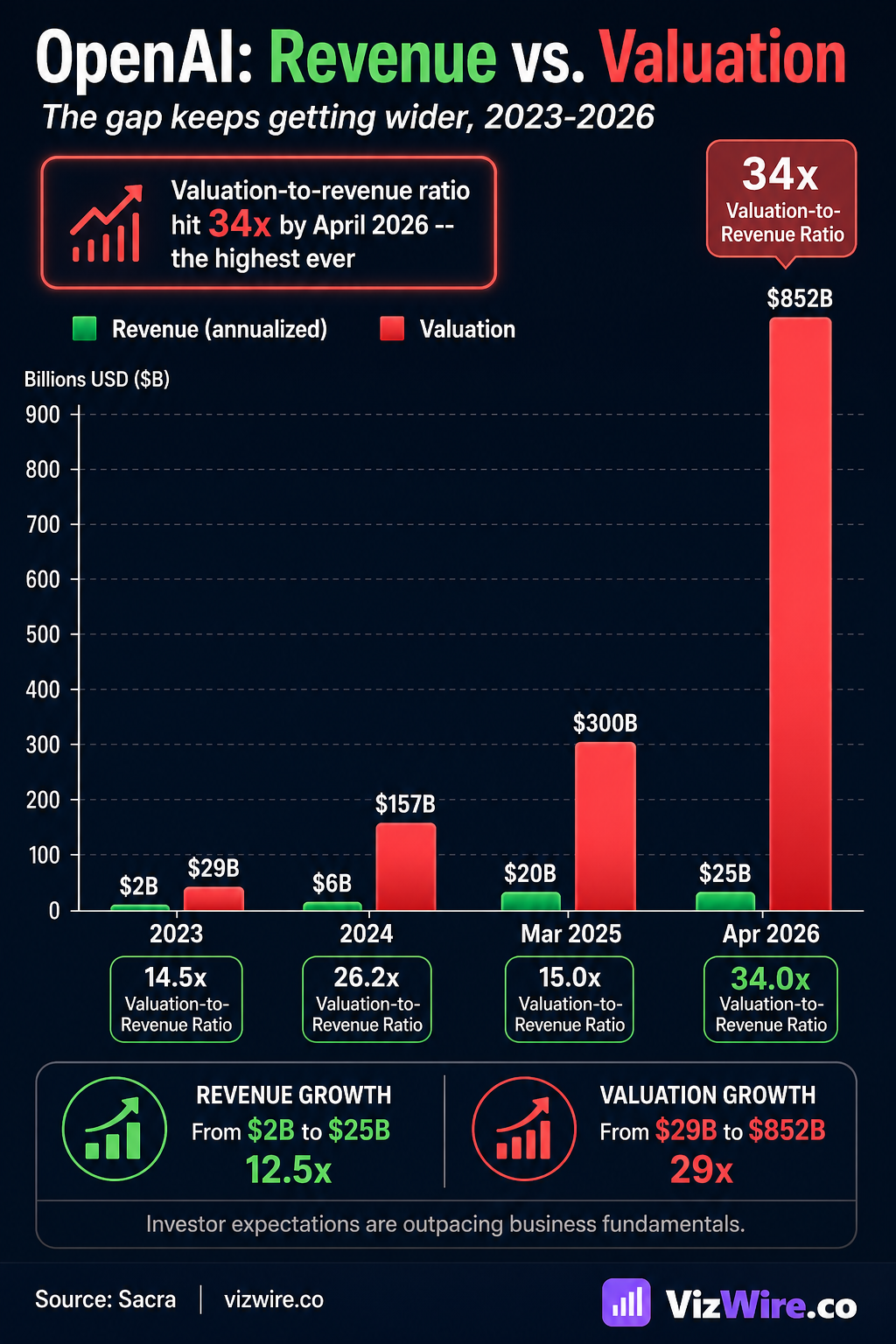
The program follows roughly 9,000 layoffs in summer 2025. Microsoft is not shrinking out of weakness. It is reallocating. The company spent $80 billion on AI infrastructure in fiscal 2025 and is on pace for over $120 billion in fiscal 2026.
Snap: small company, deep cuts
Snap cut approximately 1,000 employees — 16% of its 5,261-person workforce — and closed more than 300 open roles. CEO Evan Spiegel said AI advancements are helping staff “work faster and reduce repetitive work.” The layoffs are expected to save more than $500 million annually by the second half of 2026.
The 2026 wave in context
According to the Challenger report, Q1 2026 saw 52,050 tech job cuts — a 40% jump over the same period in 2025. Layoffs.fyi tracker data shows an even steeper picture: 70,474 estimated losses in Q1 2026 versus 29,845 in Q1 2025, a 136% increase.
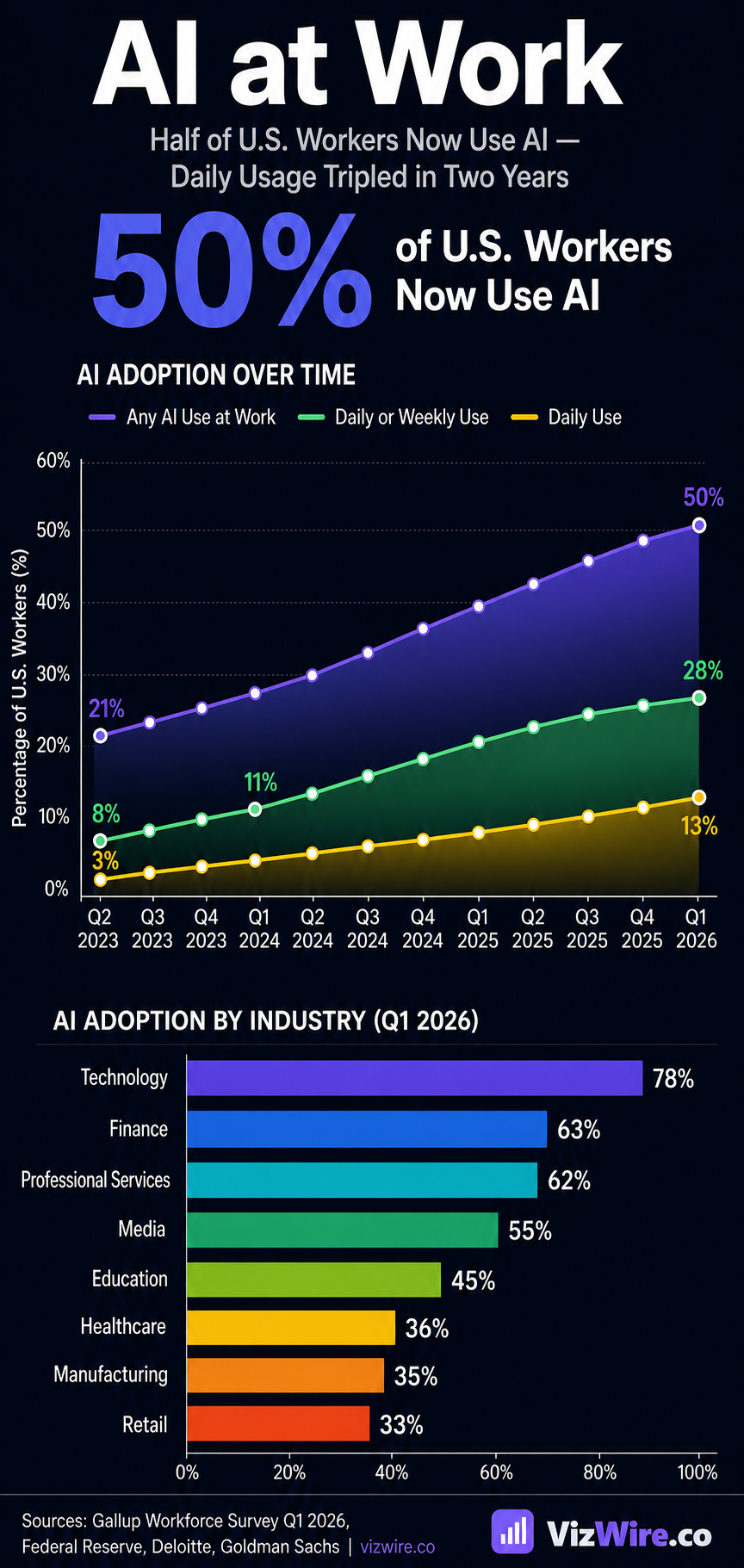
What makes 2026 different from the post-pandemic corrections of 2023 and 2024 is the stated cause. Nearly half of Q1 cuts — 47.9% — were explicitly attributed to AI replacing human roles. These are not companies unwinding pandemic over-hiring. These are profitable companies making a deliberate bet that machines can do the work.
What comes next
As of April 23, the SkillSyncer tracker counts 155 layoff events impacting 100,443 tech workers in 2026. The full-year 2025 total was 245,953 across 783 companies. At the current pace, 2026 will surpass it.
Meta has confirmed additional cuts for the second half of the year. Oracle’s restructuring could eventually reach 30,000. Amazon denied reports of a third wave but has not ruled out further reductions. The voluntary buyout windows at Microsoft have not yet closed.
The pattern is clear: Big Tech is not just trimming headcount. It is restructuring around AI — cutting roles that existed for humans and redirecting that capital into infrastructure built for machines. Whether those bets pay off remains an open question. For the workers already affected, the answer is academic.
Sources linked in the research findings below. Data compiled from CNBC, Axios, TechCrunch, GeekWire, Tom’s Hardware, Crunchbase, SkillSyncer, and company filings.